
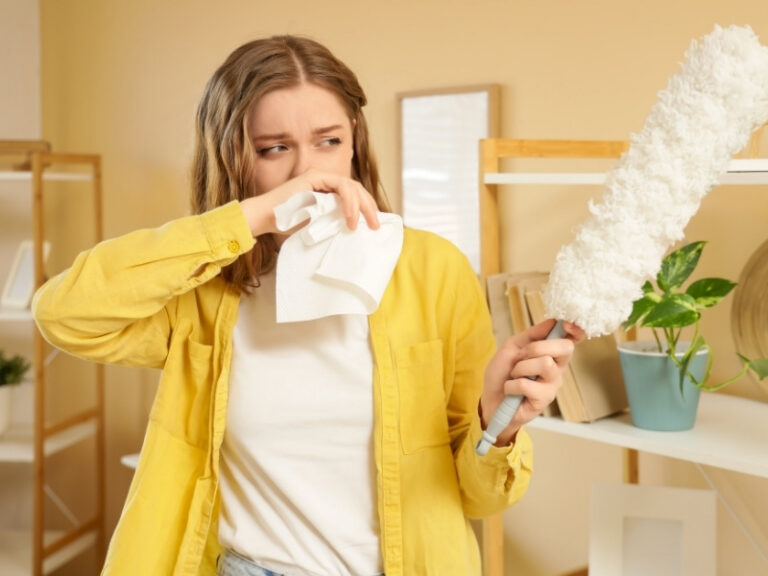
Spring pollen does not stay outside for long in Davidsonville, MD. Once it gets into your home on shoes, pets, clothing and open doors, your HVAC system can either help manage it or keep recirculating it. These five steps can help reduce HVAC allergies and improve indoor comfort during allergy season.
Why Your HVAC System Matters During Allergy Season
Your heating and cooling system moves air through your home all day, which means it also affects how airborne particles travel from room to room. When filters are dirty, airflow is restricted or indoor air quality equipment is outdated, common triggers like pollen, dust and pet dander can linger longer than they should.
That’s why HVAC allergies sometimes feel worse indoors, even when your windows are closed. A well-maintained system cannot eliminate every allergen, but it can play an important role in creating a cleaner and more comfortable living space in Davidsonville, MD.
5 Ways to Reduce Spring Allergies with Your HVAC System
1. Change your air filter on schedule. A clean filter helps capture airborne particles before they keep circulating through your home. Standard filters help protect the system, while upgraded media filtration may improve particle capture even more when matched to your equipment properly.
2. Schedule spring preventive maintenance. Seasonal service helps your system operate as intended during peak allergy season. Professional maintenance can also catch airflow and performance issues early, which supports better comfort and cleaner indoor conditions.
3. Keep supply and return vents open and unobstructed. Furniture, rugs and heavy dust buildup can interfere with balanced airflow. When air cannot move freely, filtered air may not circulate as effectively through the home.
4. Ask about indoor air quality upgrades. Depending on your home and your symptoms, added filtration, ventilation improvements or air quality equipment may help reduce airborne irritants. Coastal Heating & Air Conditioning Co., Inc. offers indoor air quality services for homeowners who want more targeted support during allergy season.
5. Get ongoing symptoms evaluated by a professional. If allergy symptoms seem worse when your system runs, there may be a deeper issue involving filtration, ventilation or system performance. A professional assessment can help identify what your home needs instead of relying on trial and error.
When Professional Help Makes the Biggest Difference
Some allergy-related comfort problems have simple causes, but others come from issues that are harder to spot without training. In Davidsonville, MD, a struggling air conditioner, neglected maintenance or outdated air quality equipment can all contribute to poor indoor air conditions during spring.
That is why it helps to look at your system as a whole instead of focusing on one symptom at a time. Regular preventive maintenance and timely air conditioning repair can support better airflow, more consistent comfort and fewer surprises as temperatures rise.
Breathe Easier in Davidsonville, MD This Spring
If spring allergy season makes your home feel stuffy, dusty or harder to enjoy, your HVAC system may be part of the solution. Coastal Heating & Air Conditioning Co., Inc. serves Davidsonville, MD, and offers indoor air quality services, preventive maintenance and cooling support to help homeowners create a healthier indoor environment.
FAQ: Spring Allergies and Your HVAC System
Can my HVAC system make allergies worse?
Yes, it can if airflow is restricted, the filter is overdue for replacement or indoor air quality problems are going unaddressed. In those situations, the system may keep circulating airborne particles instead of helping reduce them.
How often should I change my HVAC filter during allergy season?
That depends on your system, filter type, indoor air quality needs and whether you have pets. Many homeowners benefit from checking the filter monthly during peak spring use and replacing it based on the manufacturer’s guidance and actual buildup.
Will preventive maintenance help with HVAC allergies?
It can help by keeping the system cleaner, supporting proper airflow and identifying issues that may affect comfort. Preventive maintenance is not a cure for allergies, but it is an important part of better indoor air management.
Are indoor air quality products worth considering for allergy season?
They can be, especially if basic filter changes and maintenance are not enough. A professional can recommend whether added filtration, ventilation improvements or other indoor air quality options fit your home and your concerns.
Should I run my HVAC system during high-pollen days?
Many homeowners do better keeping windows closed and letting the system circulate filtered air. The key is making sure the system is maintained properly so it supports cleaner indoor conditions rather than recirculating buildup.
Image provided by Canva