

What Does a Heat Exchanger Do and Why Does It Matter?
Inside a gas furnace, the heat exchanger is a sealed metal chamber that contains combustion gases while a separate stream of indoor air passes over the outside, absorbs the heat, and travels through your ductwork. Combustion byproducts, including carbon monoxide, are safely vented outside as long as the heat exchanger remains intact.
When the heat exchanger develops a crack, that separation fails. Combustion gases can leak into the air circulating through your home. Because carbon monoxide is colorless and odorless, exposure can happen without any obvious warning. That’s why recognizing the early signs matters so much for families in Severna Park, MD.
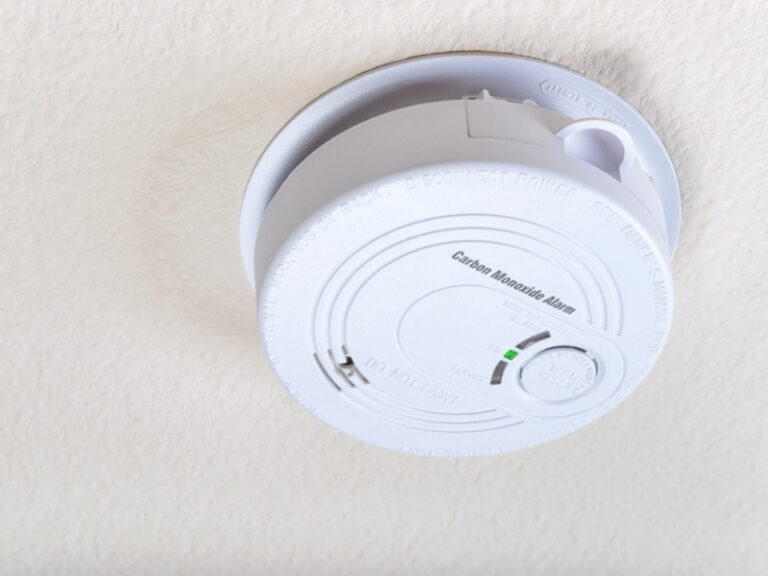
Sign 1: Your Carbon Monoxide Alarm Activates While the Furnace Is Running
A carbon monoxide alarm going off while your furnace is running is the most urgent sign of a possible cracked heat exchanger. If it activates more than once, or sounds without an obvious cause like a running vehicle nearby, treat it as a serious warning.
Carbon monoxide has no smell, color, or taste, so you cannot detect it without an alarm. Symptoms of exposure include:
- Dull headaches or unusual fatigue
- Dizziness, confusion, or difficulty concentrating
- Nausea, vomiting, or flu-like symptoms without a fever
- Shortness of breath or chest discomfort
If your alarm sounds, leave immediately with everyone in the home, including pets, and call emergency services from outside. Do not re-enter until first responders confirm it is safe. Once the immediate danger is addressed, contact Coastal Heating & Air Conditioning Co., Inc. to inspect your furnace for a cracked heat exchanger before using it again.
Sign 2: Soot, Rust, or Scorch Marks Around the Furnace
Visible soot streaks, scorch marks, or unusual discoloration on or around your furnace are a strong indicator that combustion gases are not venting correctly.
Other visual warning signs to watch for include:
- Heavy rust or corrosion on the furnace cabinet, burners, or venting components
- Burner flames that are yellow, orange, or flickering rather than a steady blue
- Dark streaks near the vent pipe or burner compartment
Yellow or flickering flames indicate incomplete combustion, which increases carbon monoxide production and raises the risk that any existing crack in the heat exchanger will allow those gases into your living space. If you notice any of these signs, shut the system off and schedule a professional inspection with Coastal Heating & Air Conditioning Co., Inc. before running the furnace again.
Sign 3: Strange Smells, New Sounds, or Unexplained Performance Problems
A cracked heat exchanger often shows up as changes in how your furnace smells, sounds, or heats your home. These are the most commonly overlooked warning signs because they can seem minor at first.
Watch for any of the following:
- A sharp, metallic, or burning odor when the furnace cycles on (distinct from the brief dust smell at the start of the season)
- New rattling, clanging, or popping sounds as the metal expands and contracts
- Short cycling (the furnace turning on and off more frequently than usual)
- Hot and cold spots throughout the house that weren’t there before
- Heating bills rising without any change in thermostat settings
- More frequent repair calls than in previous seasons
Any one of these on its own may have an innocent explanation. But combined with other signs, or in an older furnace, they warrant a professional evaluation to rule out a cracked heat exchanger.
Why a Cracked Heat Exchanger Is Dangerous
Even a small crack in the heat exchanger can allow carbon monoxide and other combustion byproducts to mix with the air circulating through your ducts and into every room in your home. Because carbon monoxide has no smell or color, exposure can reach dangerous levels before anyone realizes something is wrong.
What To Do If You Suspect a Cracked Heat Exchanger
If you’ve seen any of the warning signs above, here is the safest course of action:
- Turn the furnace off at the thermostat and, if needed, at the power switch
- If a CO alarm has sounded, evacuate everyone immediately and call 911
- Do not attempt repairs yourself or run the system until a licensed technician has inspected it
- Schedule a professional inspection with Coastal Heating & Air Conditioning Co., Inc. as soon as it is safe to do so
The best long-term protection is annual preventive maintenance before each heating season. A Coastal Heating & Air Conditioning Co., Inc. technician will inspect the heat exchanger and other safety components before winter arrives, catching potential problems before they become emergencies.
Frequently Asked Questions
Can I run my furnace if I think the heat exchanger is cracked?
No. Running a furnace with a cracked heat exchanger risks carbon monoxide leaking into your home’s air supply. Turn the system off and contact Coastal Heating & Air Conditioning Co., Inc. for an inspection before using the furnace again.
How does a heat exchanger crack in the first place?
The most common cause is age-related metal fatigue from years of heating and cooling cycles. Overheating due to restricted airflow can accelerate cracking. Corrosion and physical stress on an aging system are also contributing factors.
Can a cracked heat exchanger be repaired, or does the furnace need to be replaced?
It depends on the severity of the crack and the age of the system. In some cases, a heat exchanger can be replaced as a component. In older furnaces, full system replacement is often the safer and more cost-effective long-term option. A Coastal Heating & Air Conditioning Co., Inc. technician can assess your specific equipment and give you an honest recommendation.
How do I know if my carbon monoxide alarm is reliable?
CO alarms should be tested monthly and replaced every 5–7 years, or per the manufacturer’s guidelines. If yours is older or has never been tested, replace it before relying on it for furnace safety this winter.
How often should a heat exchanger be inspected?
Once per year, ideally before the heating season begins. Annual maintenance visits give a technician the opportunity to visually inspect the heat exchanger, test for combustion leaks, and catch early signs of wear before they become a safety issue.
Image provided by iStock